2026-11-09
MRF vs transfer station: what's actually different on the ground
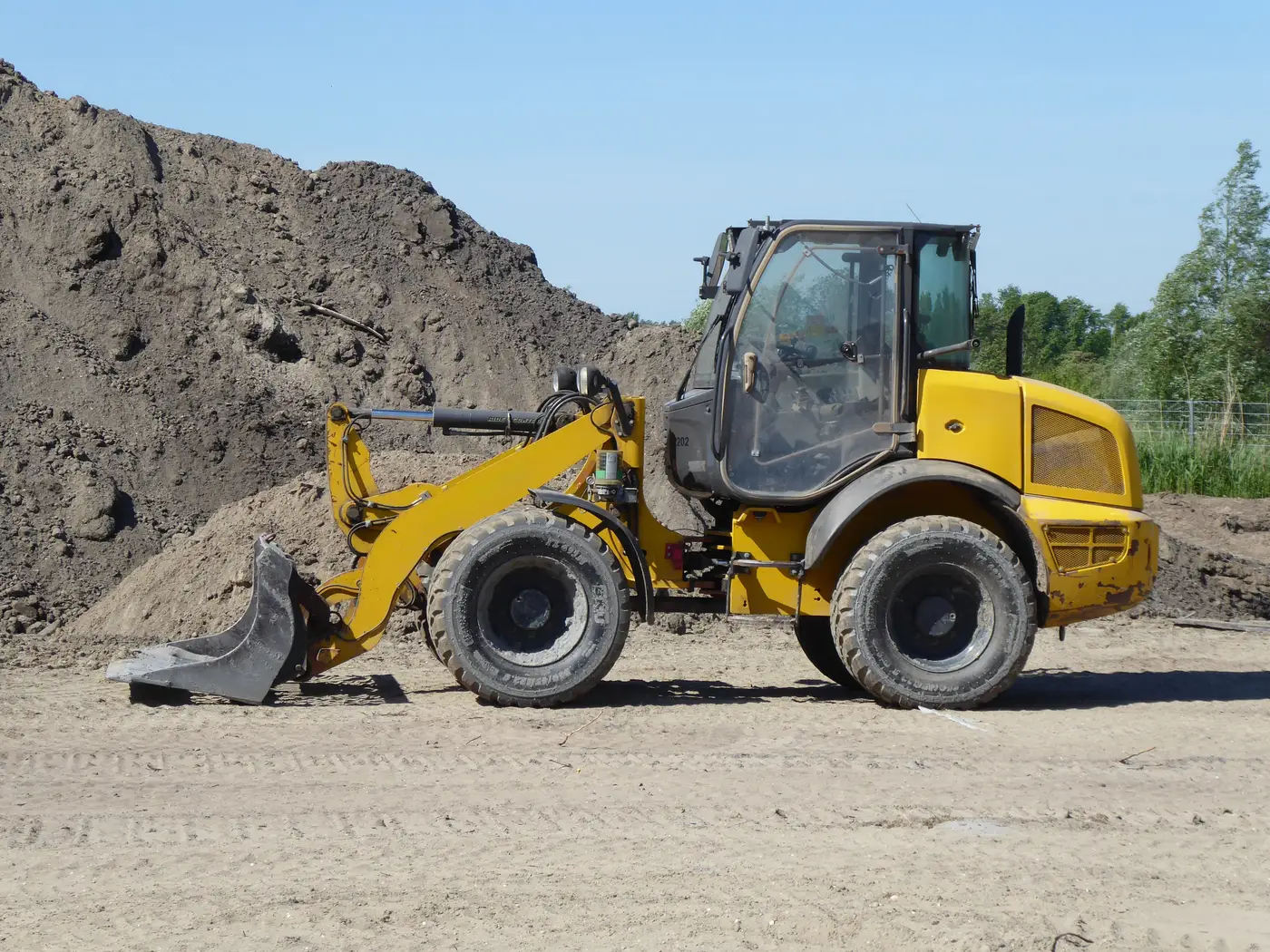
Ask someone who's only seen the trucks go in and out, and a transfer station and a materials recovery facility look like the same building. Both have a tipping floor. Both have trucks backing in all day. Both smell about the same in July. The difference is what happens after the load hits the floor, and that difference shows up in the equipment list more than anything else.
What a transfer station actually does
A transfer station is a consolidation point. Collection trucks, mostly rear-loaders and some roll-offs, dump onto the tipping floor or straight into a pit. A wheel loader or a track loader pushes the pile toward a compactor or straight into waiting transfer trailers, usually walking-floor units built to haul bulk waste to a landfill or a combustion facility. There's no sorting line here in the traditional sense. The equipment is built for one job: move volume off the floor and onto a bigger truck as fast as possible.
You'll still see some processing at a transfer station, mostly a pre-sort for bulky items, scrap metal, or household hazardous waste that collectors have agreed to pull before the material goes further. But that's a screening step, not a recovery operation. The floor layout tells you this at a glance: short dwell time, loaders working the pile, trailers backed up to load-out doors.
What a materials recovery facility adds
A MRF takes recyclables, usually single-stream material collected curbside in one bin, and runs it through equipment designed to separate it into commodity grades: fiber, cardboard, aluminum, PET, HDPE, glass, and whatever residue doesn't sort clean. That means a tipping floor that feeds a sorting line instead of a compactor.
The sorting line is the tell. Walk a single-stream MRF and you'll see a pre-sort station pulling bags and contamination, then a trommel or disc screen separating fiber from containers, star screens doing finer separation, optical sorters (NIR units, usually) picking plastics by resin type, an eddy current separator pulling aluminum, magnets pulling steel, and balers at the end compacting each commodity stream into bales ready to ship. That's a lot more standing equipment than a transfer station carries, and it's spread across a line instead of clustered around a single load-out door.
Dual-stream MRFs split fiber and containers before they ever reach the building, so their line looks a little different. But single-stream is what most new builds run now, because it's simpler at the curb even if it asks more of the sorting equipment.
Reading a site from above
Once you know what to look for, the equipment itself tells you which kind of site you're looking at before you ever check a permit record. A transfer station reads as a tipping floor, one or two loaders, a compactor, and a row of trailers. A MRF reads as a tipping floor feeding a line of screens, optical units, and balers, usually with baled-commodity storage stacked somewhere on the pad waiting for outbound trucks.
That equipment footprint is also what makes these sites worth tracking if you're selling into this market or watching where a competitor's machines are landing. A screen or baler sitting on a pad is a real signal: somebody just won or lost that account, or a site just added capacity. The trouble is getting that picture across a region without driving every site yourself or waiting for the next trade show to hear secondhand what's been installed where.
That's the gap Waste Site Equipment is built around: a pad-by-pad read of what's actually standing at transfer stations, MRFs, and composting sites, refreshed once a year so you can see the count move instead of guessing at it. If you're sizing up how many single-stream lines versus straight transfer operations are running in a territory, that's exactly the kind of question worth putting in front of it.