2026-11-23
C&D processing yard vs. single-stream MRF: reading the difference in overhead imagery
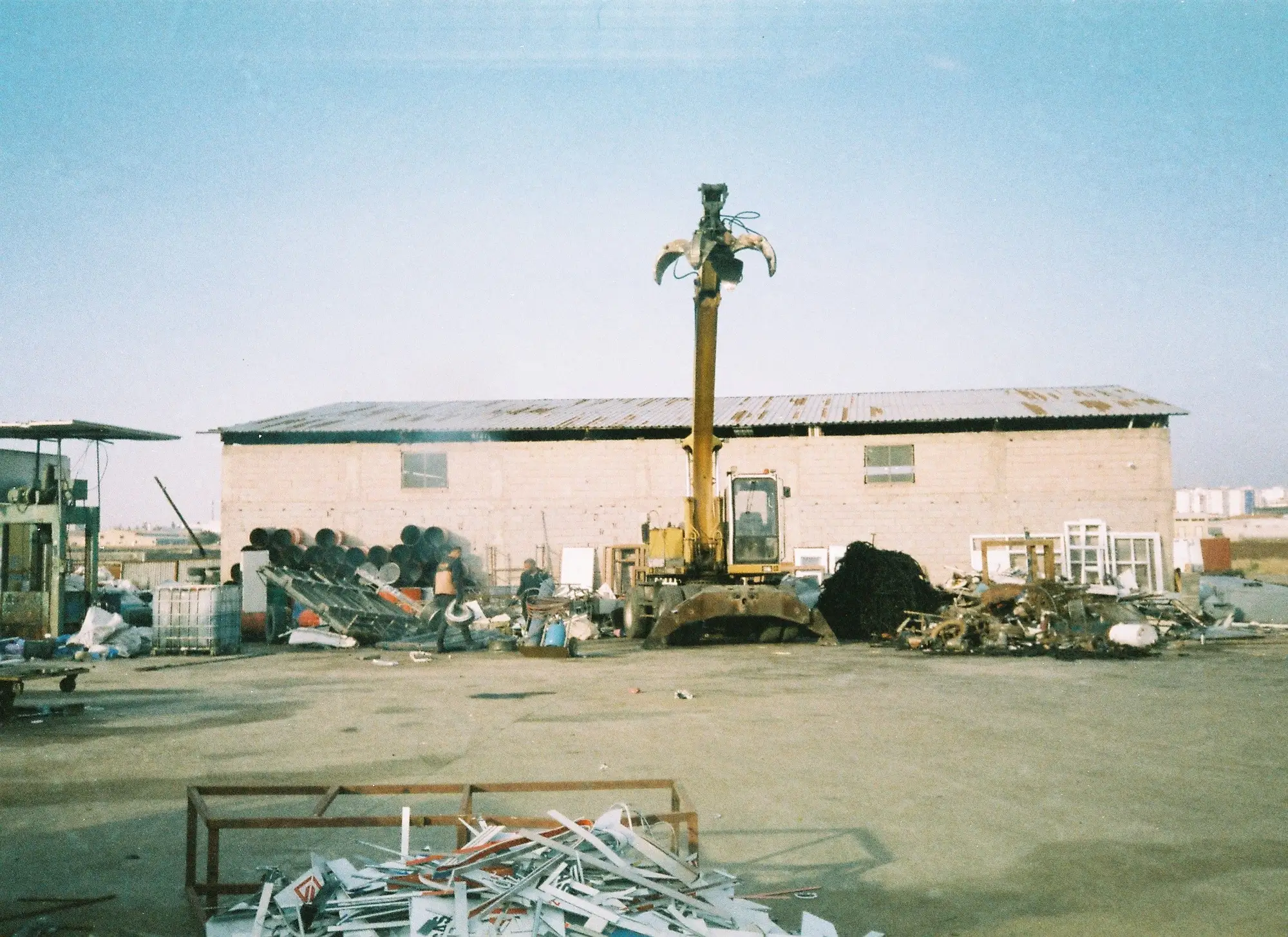
When you're scrolling through a stack of imagery tiles trying to figure out which sites belong on this quarter's call list, C&D yards and single-stream MRFs start to blur together. Both have a tipping area. Both have trucks queued up in the morning. Both show up in the same county permit database under some variation of "recycling facility." But the iron standing on each pad is nothing alike, and if you're sizing up install base or scoping a territory, mixing the two up wastes a trip.
Here's what actually separates them from the air.
Footprint and yard layout
A single-stream MRF is built around an enclosed sorting building, usually a tall, single-span structure with a rounded or gabled roof and almost no open storage around it. The site's tells are tidy bale stacks in neat rows near a loading dock, a tipping floor just big enough for the first push of mixed recyclables before it goes up a conveyor, and very little material sitting outside in the weather. If you see a compact building footprint with tidy exterior storage and trailers backed up to a dock, you're looking at a MRF.
A C&D yard reads almost the opposite way. The building, if there's one at all, is often a simple pole barn or no structure beyond a tipping pad and a few conex boxes. What dominates the parcel is outdoor stockpiling: separated windrows of concrete, wood, drywall, and mixed debris, each pile a different color and texture from the next. Concrete reads bright gray-white, wood debris reads brown and irregular, mixed C&D fines read as a dull, flat gray-brown with no clean edge to the next pile. A yard with three or four distinct pile colors spread across open ground, rather than one building doing the sorting, is a C&D site almost every time.
Equipment that gives each site away
The machines sitting on the pad are the clearest tell once you know what to look for. C&D yards run their processing outdoors: track excavators with grapple or shear attachments working the debris piles, trommel screens off to one side separating fines from oversize, and sometimes a horizontal grinder parked near the wood pile. These machines sit exposed, scattered across open ground, and they're large enough to cast a distinct shadow even at 0.5 m resolution.
Single-stream MRFs keep almost everything indoors. What you'll spot outside is a wheel loader working a scrap or residue pile near the building, a baler's finished-bale yard stacked in cubes, and trailers positioned at loading bays. You generally won't see shredders, crushers, or trommels sitting in the open, because the sort line that does that work is inside the building where you can't count it from overhead.
Why the distinction matters for a territory read
If your team is building a pad-by-pad list to plan calls or size a competitor's footprint, lumping a C&D yard in with a single-stream MRF throws off both the machine count and the sales approach. A C&D yard is a grapple-excavator and screen conversation. A MRF is a baler, conveyor, and loader conversation on the margins, since the sort equipment itself is inside a building no imagery product reads through. Knowing which type of site you're looking at before you dispatch anyone, or before you build next year's call list, keeps the territory plan honest.
This kind of read gets easier once you're not doing it tile by tile from scratch each quarter. Our annual pad-by-pad inventory flags machine positions and counts at transfer stations, MRFs, and composting sites so you're working from a list instead of a guess.
If you're ready to stop eyeballing tiles and start working from a standing inventory of what's on the pad, get in touch.