2026-11-02
Field notes: the transfer station that swapped loader brands twice in one year
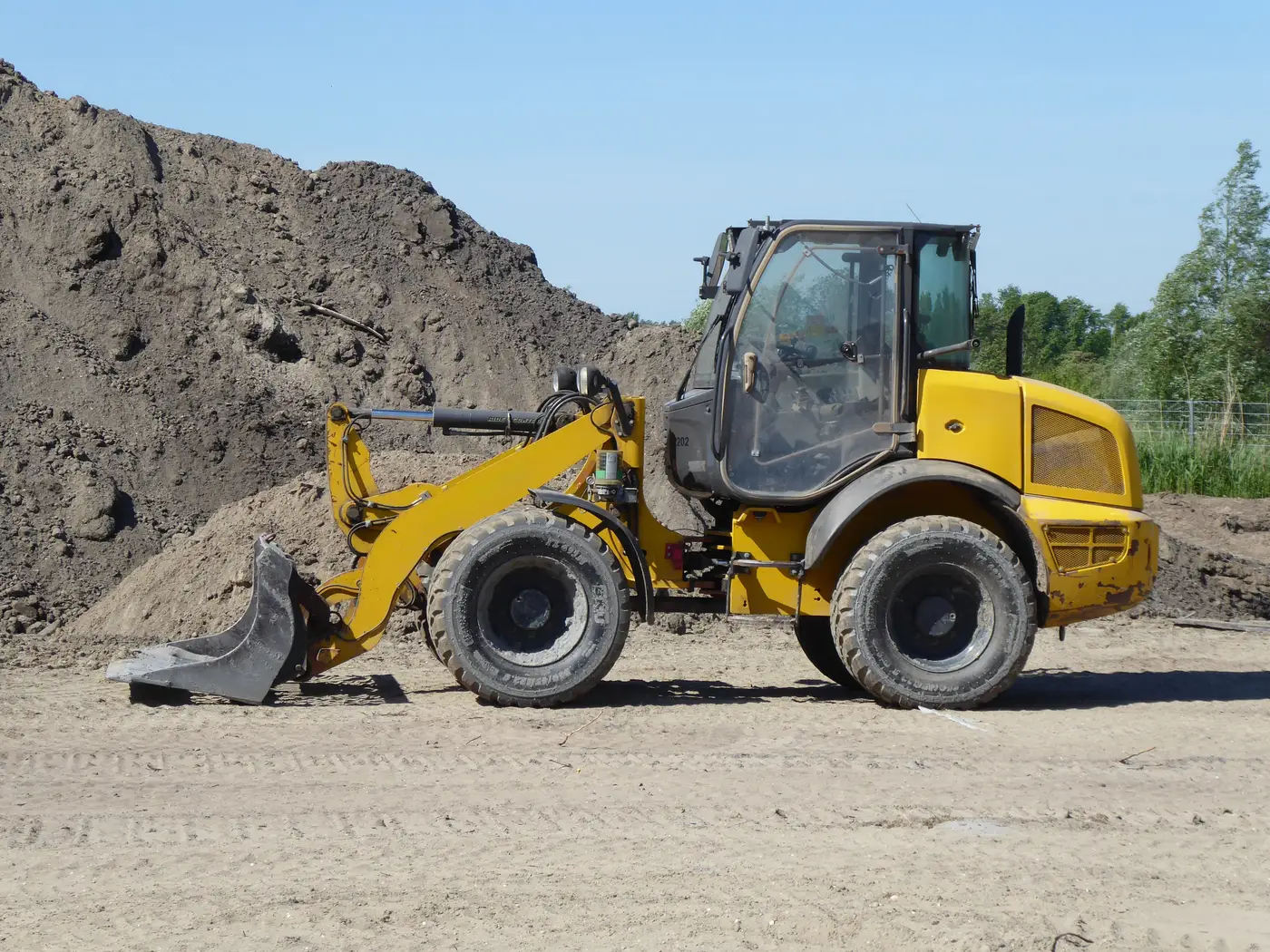
A regional dealer rep mentioned it to me almost in passing, the way you'd mention a weird weather pattern. A transfer station he covers had gone from a yellow wheel loader to a different yellow wheel loader to a third brand entirely, all inside about ten months. Three swaps, two of them inside a single budget cycle. He didn't know the why. Nobody tells the dealer rep the why. He just knew the pad had changed under him three times and his forecast for that account was garbage because of it.
That kind of churn isn't rare in this business, but it's rarely visible from outside the fence line. A station swapping its primary loader twice in a year could mean a dozen things. A lease coming off early. A warranty fight nobody wants to talk about at the county level. A rental unit standing in while a long-lead order backs up at the factory. A fleet manager chasing a fuel-burn number that looked bad on paper and worse in the field.
Or it could just mean somebody up the chain renegotiated a floor plan with a different dealer and the old iron went back on the truck faster than anyone expected. From the tipping floor, all of it looks the same: a machine that was there last quarter isn't there now, and something else is pushing material instead.
The part that should bother a territory planner more than the brand swap itself is how easy it is to miss the whole pattern. If you're sizing competitor presence off trade-show conversations and the occasional windshield drive-by, you catch whatever's parked on the pad the day you happen to drive past. You don't catch the station that had three loaders in ten months unless you already had a reason to watch it closely, which usually means you already had a rep account there, which means you're confirming what you knew rather than finding what you didn't.
Annual imagery doesn't solve that either, and it's worth saying plainly rather than pretending otherwise. A once-a-year pass over a site gives you this year's standing inventory against last year's. If a station ran brand A in January, swapped to brand B in May, and landed on brand C by October, an annual read is going to show you brand A one year and brand C the next, and the mid-year detour disappears into the gap. That's a real limit, not a footnote. What the annual cadence does give you is a record of what was actually standing on that pad each time someone looked, instead of a guess reconstructed from a hallway conversation at a trade show six months later. Watch a site across two or three cycles and the churn itself becomes visible, even if you never catch every single swap in between.
The detail that mattered most at this particular station was the loader count, not the brand changes. Three swaps, and the pad held steady at the same number of machines each time. That pattern points toward a lease, a warranty dispute, or a dealer relationship shuffle, not a capacity decision. That's a different conversation with that account than "they're expanding" or "they're cutting back," and it's the kind of read you want before you walk in with a pitch. We built the pad-by-pad inventory behind Waste Site Equipment for stations like this one, where the story on the ground moves faster than anyone's territory notes do.
A station that swaps brands twice in a year is telling you something about how that account makes equipment decisions. You just have to be watching it long enough, and often enough, to hear it.