2026-11-16
Field notes: the compost site that borrowed a screen for six weeks
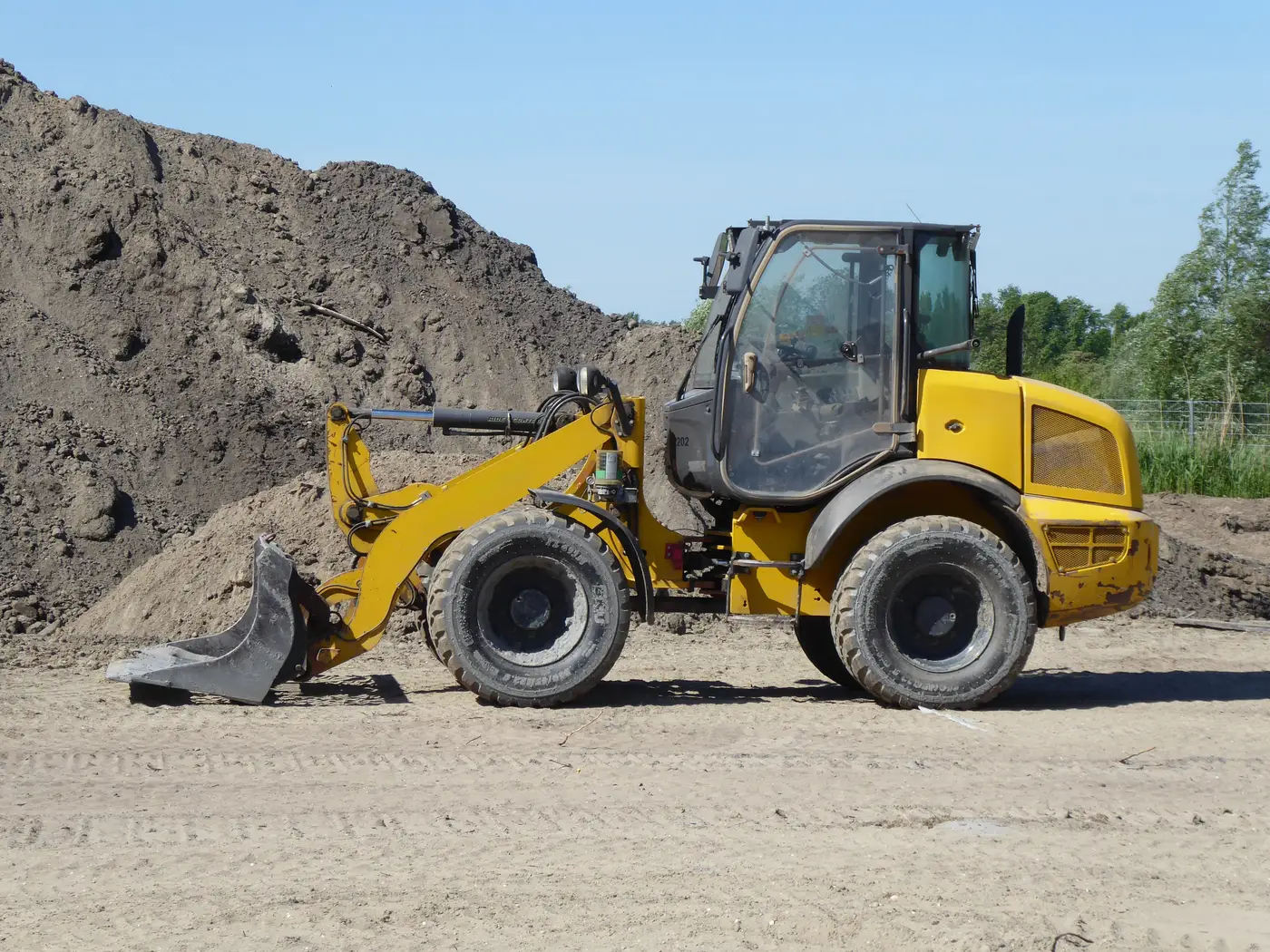
A guy who runs routes for a screen rental outfit in the upper Midwest mentioned this to me at a trade show, half as a complaint and half as a good story. A composting site he services lost its star screen to a bearing failure right at the start of the spring finishing push, the part of the season when windrows that sat all winter finally get turned into salable product and the pile of unscreened compost starts eating the pad.
The site didn't have a backup. Nobody really does for a 500-series trommel. So they called around and borrowed one from a transfer station twenty miles up the road that happened to have a spare sitting idle after a contract change. Six weeks later, the original screen came back from the shop, the borrowed one went home, and the pad looked exactly like it had looked in March.
For six weeks, though, that compost site had a screen on it that wasn't theirs and was never going to show up in their capex plan, their maintenance log, or any conversation with a fleet rep. If you'd driven by, or flown an image over that pad in week three, you'd have counted a screen. A real one, doing real work. You'd have been right about the count and wrong about what it meant.
This is the part of equipment tracking that doesn't come up much because it's inconvenient. A territory file wants a count to mean something stable: this site runs two screens and a loader, full stop, write it down and move on. But pads borrow, lease short-term, and park a rental for a season more often than the trade admits. A single pass of imagery, or a single windshield survey, can't tell a borrowed machine from a resident one. Both just look like metal on the pad that day.
What tells them apart is watching the same pad again later. A screen that's there in March and gone by June, with nothing in the news about a sale or a shutdown, reads as a borrow or a rental. A screen still sitting there the following March reads as a resident machine, and now you've got something worth updating in the account plan. The signal is whether the count holds between two days a year apart.
That's the whole case for watching a site more than once. A fleet sales manager sizing competitor presence off a single site visit or a single image is making the same mistake as the guy who'd have counted that borrowed trommel as a permanent fixture at the compost site. It's a guess made with one data point when the question needs two. We built Waste Site Equipment around that second look: imagery read annually, so a pad's machine count is tracked year over year instead of guessed at from one pass, which is the only way to tell a six-week loan from an actual install.
The rental guy told me what happened next, too. The compost site is now shopping for a second trommel of their own, because borrowing one twice in one season convinced the ops manager it's cheaper to own the redundancy than to keep calling around. That's a real fleet change, and a year from now it'll show up as one on whatever's tracking that pad. The interesting story in equipment counts is the one that's still there a year later, the machine that stuck instead of the one that just visited.
If your territory plan is still built on guesses like that, it might be time to see what a second annual look at your pads turns up.